


AONN+ Blog

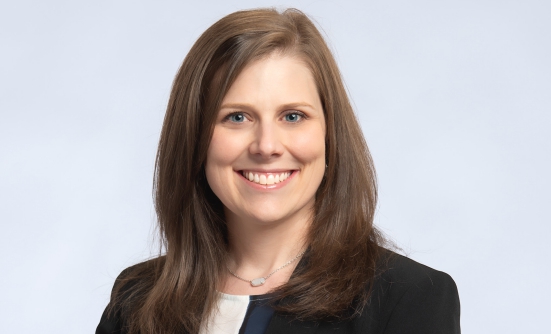
Reflecting on her navigator career path in the past 10 years, Deidra Hamilton, director of an oncology navigation program in Nevada and California, says the AONN+ membership gives her innovative education on how to do her job and resources to better help her patients.
Getting a cancer diagnosis may give a woman the needed help to end the domestic violence she has been experiencing, but it is only possible if oncology navigators ask the questions and provide the resources the patient needs.
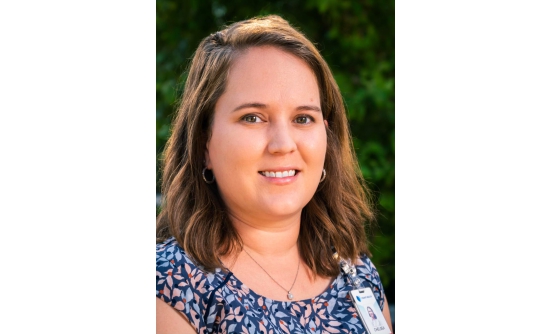
AONN+ member Chelsea Passwater reflects on how she has sought out opportunities to grow, and AONN+ gives her the resources to achieve that goal.
As the largest organization dedicated to oncology navigation, AONN+ is an avenue that empowers the navigator community by fostering critical reflections and active participation.
You don’t need a doctorate degree or the formal title of “researcher” to publish your research or to write grants that secure funding in aid of your practice or your patients. AONN+ leaders offer practical advice about pursuing evidence-based research necessary for successful funding applications.
In a piece contributed to My American Nurse, AONN+ Program Director Sharon Gentry talks about the evolution of the role of the oncology nurse and patient navigator as an integral part of the multidisciplinary care team.
To provide optimal care for patients with cancer, we must be able to provide equitable care for all. The Academy of Oncology Nurse & Patient Navigators (AONN+) has been striving to create opportunities for all its members that will contribute to providing equitable care.
Patients with cancer who are currently in active treatment need to be made aware of several things as we approach the holiday season.
Fertility preservation can lead to greater options for family-building following cancer treatment. Duke University researchers utilized oncofertility navigation to reduce access barriers to fertility counseling and preservation.
In this episode, Monica Dean discussed the psychosocial impacts of cancer on the patient and the caregiver.