



AONN+ Blog

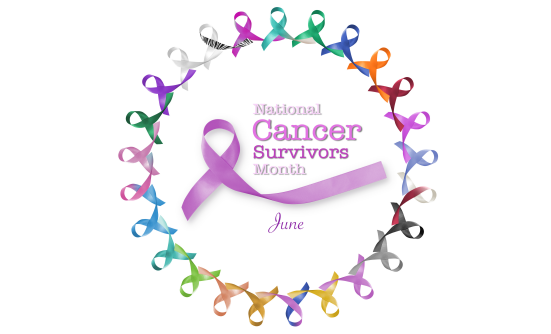
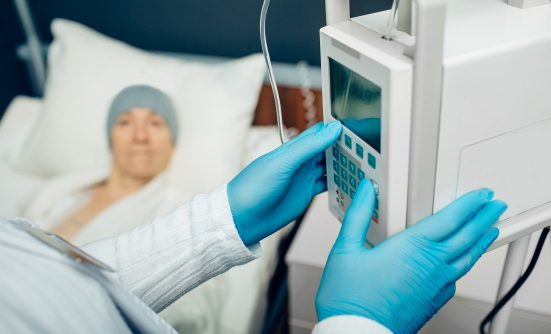
Survivorship begins at diagnosis. This National Cancer Survivors Month, learn how you can better support your patients through survivorship and ensure they are meeting their personal care goals.
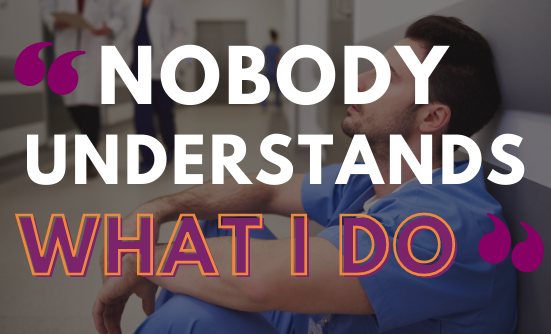
Compassion comes naturally to those who work in oncology, but providing patient-centered care can sometimes result in fatigue or burnout. At AONN+, we aim to provide oncology navigators the resources they need to provide optimal care and avoid burnout.
Palliative care has a bad reputation, but oncology navigators or palliative care specialists should introduce this term to their patients in initial conversations after diagnosis.
Being a good communicator is an essential skill for an oncology navigator. Oncology nurse navigator Kammi Fox-Kay is sharing tips on how to listen to what your patients are saying, and not saying.
In this episode, experts discuss how oncology navigators can empower their patients with cancer by providing education, tools, and resources.
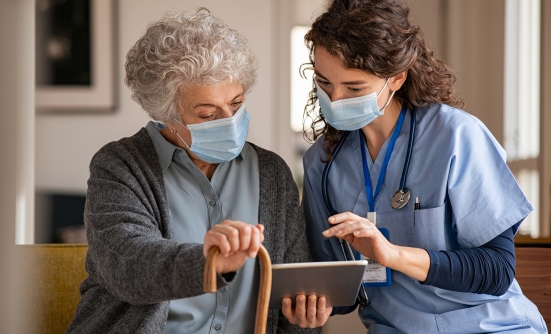
Patients with cancer are more vulnerable to COVID-19. Show your patients the proper way to wear a mask so they can protect themselves and others.
As oncology navigators, patients and members of the oncology care team alike may have trouble understanding our role. In this blog, Lillie Shockney shares some ways to guide these conversations.
Cancer care requires a team approach to provide optimal and inclusive care. We spoke to AONN+ member Penny Daughtery about her experiences and how AONN+ has opened doors to collaborative projects with other organizations.
In part 3 of this 3-part series on delivering bad news, AONN+ Co-Founder Lillie Shockney shares how patients can have different reactions to bad news and how oncology care professionals can help guide patients through these difficult conversations.
Our diversity and inclusivity are what sets AONN+ apart from other organizations, promoting the role of oncology professionals across the globe.