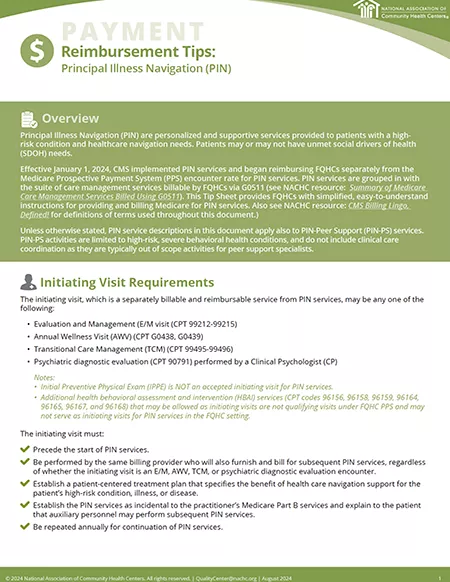
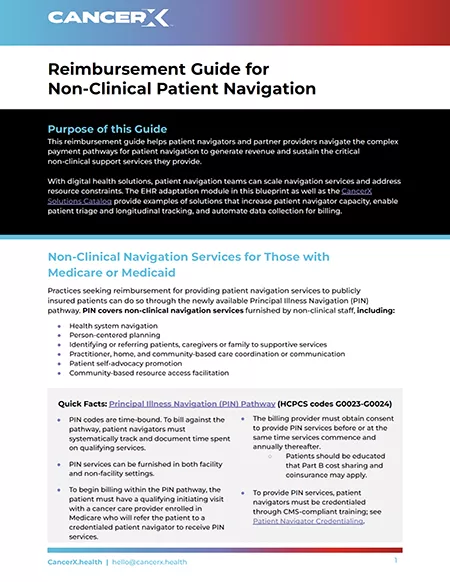
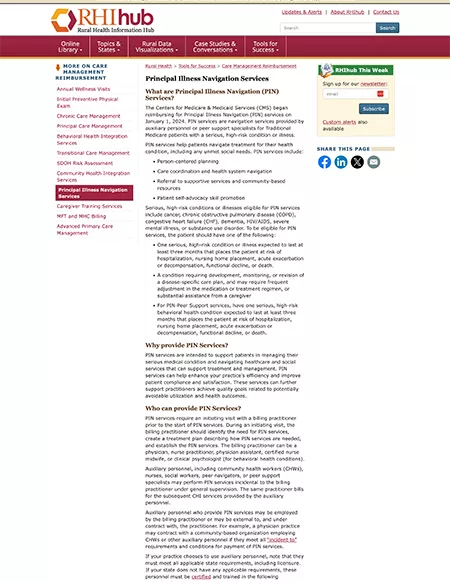
In January 2024, the Centers for Medicare & Medicaid Services (CMS) instituted coding and payment protocols for principal illness navigation (PIN) services, emphasizing their role in advancing health equity, particularly among patients grappling with serious, high-risk conditions like cancer.
CMS defines PIN as a service tailored for individuals confronting severe, enduring conditions lasting ≥ 3 months, which significantly elevate the risk of hospitalization, nursing home placement, acute exacerbation or decompensation, functional decline, or mortality. PIN-targeted conditions may necessitate ongoing monitoring or modification of care plans, adjustments to treatment regimens or medications, or additional support from caregivers. Notably, CMS includes cancer among the exemplified serious, high-risk conditions.
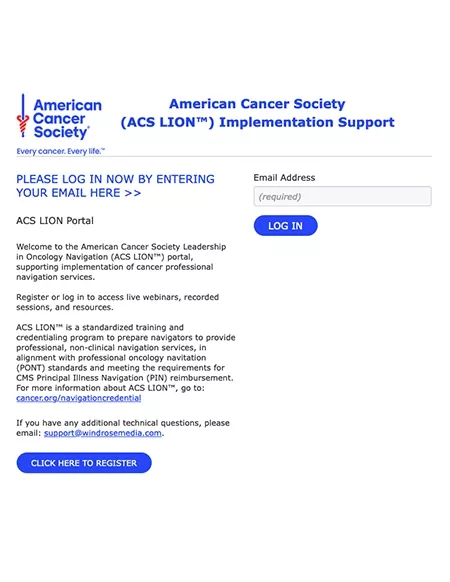
The CMS guidelines for PIN delineate prerequisites for those delivering navigation services. CMS mandates adherence to applicable state regulations, encompassing certification or licensure requirements.
In states lacking specific mandates, individuals offering PIN services must undergo appropriate training or certification in:
- Patient and family communication
- Interpersonal and relationship-building
- Patient and family capacity building
- Service coordination and systems navigation
- Patient advocacy, facilitation, and individual and community assessment
- Professionalism and ethical conduct
- An appropriate knowledge base, including certification or training on the serious, high-risk condition being addressed
Resources: